
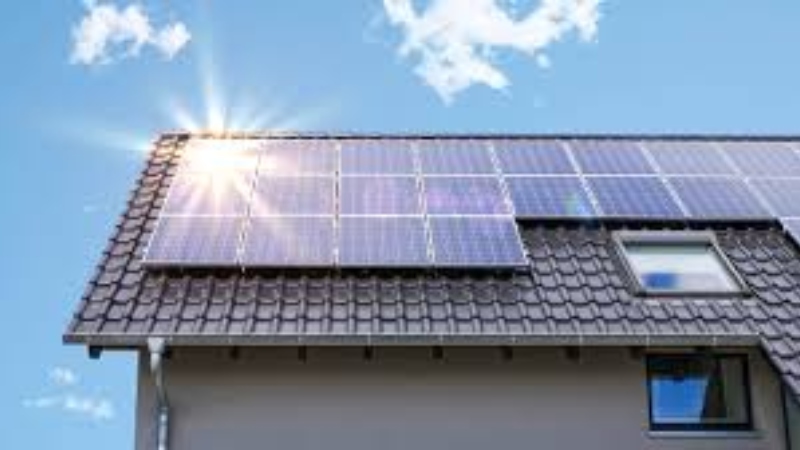
Most homeowners approach solar panel installation backwards. They wait until electricity bills become unbearable, or until tax incentives are about to expire. They treat solar as a reactive decision rather than a strategic property investment with optimal timing windows.
The reality? When you install solar matters almost as much as whether you install it at all. Professional solar system installers understand that timing affects your immediate costs, property’s long-term value, and financial returns. Strategic timing means considering market conditions, property lifecycle, and buyer expectations.
Understanding the Property Value Equation
Solar panels affect property value through multiple channels. They reduce operating costs, signal modernity, and provide market differentiation.
But these benefits only materialize if timing aligns with property goals. Installing solar immediately before listing rarely captures full value. Buyers discount new installations they haven’t vetted. Installing too early means aging equipment by sale time.
The strategic window exists between these extremes. Install with enough runway to demonstrate performance and establish savings documentation, but not so early that equipment shows age when buyers evaluate the property.
The Pre-Sale Installation Window
If you’re planning to sell within the next few years, timing becomes critical. The optimal window sits a few years before listing. This timeframe provides several strategic advantages.
First, you accumulate documented energy savings. Buyers trust verified utility bills showing consistent performance over multiple seasons more than theoretical projections.
Second, equipment maintains recent installation status without being suspiciously new. Buyers question systems installed months before listing. Systems installed several years prior feel like established home features.
Third, you recoup meaningful savings before selling. A few years of reduced electricity costs partially offsets installation expenses.
Fourth, any installation issues surface and get resolved before buyer inspections. Better to address these on your timeline rather than during sale negotiations.
The Long-Term Ownership Strategy
For properties you plan to own indefinitely, timing considerations shift toward maximizing total returns. Here, the calculation balances immediate installation against waiting for improvements.
Current solar technology has matured substantially. Waiting for dramatically better panels means forgoing years of electricity savings that may never be recouped through marginal efficiency improvements.
Installation costs have also stabilized. Delaying installation to save a few percentage points means losing years of energy production.
The strategic move for long-term ownership is installing sooner rather than later, with one exception. If your roof needs replacement soon, coordinate solar installation with roof work. Removing and reinstalling panels for roof replacement adds significant unnecessary expense.
Market Timing Considerations
Local real estate market conditions influence optimal solar timing. In hot markets with limited inventory, solar provides less competitive advantage. In slower markets with abundant listings, solar differentiation matters more.
This doesn’t mean avoiding solar in hot markets. It means adjusting expectations about sale price premiums and focusing more on personal electricity savings.
Buyer demographics also matter. Areas with environmentally conscious, tech-savvy buyers see stronger value premiums. Research recent comparable sales to gauge how local buyers value solar installations.
Technology Maturity and Future-Proofing
Solar technology continues evolving, but current systems remain viable for decades. The risk isn’t obsolescence. It’s that installation decisions lock in configurations difficult to modify later.
Consider future battery storage even if not installing batteries immediately. Ensure electrical systems and panel configurations accommodate future battery addition. This flexibility protects against limiting future upgrades.
Similarly, size systems with potential household changes in mind. Planning to buy an electric vehicle? Factor that increased consumption into system sizing now rather than facing expensive expansions later.
The Documentation Strategy
Regardless of installation timing, maintain meticulous documentation. Save all installation records, warranties, performance data, utility bills, and maintenance logs. This documentation directly translates to property value when selling.
Buyers pay premiums for solar systems with clear performance histories and professional installation records. Systems lacking documentation get heavily discounted or ignored entirely.
Making the Strategic Decision
Solar panel installation timing isn’t about perfect market timing. It’s about aligning installation with your property goals, understanding your local market, and maximizing personal savings alongside property value enhancement.
For most homeowners planning to stay put, installing now makes sense. For those planning to sell soon, installing a few years before listing optimizes value capture. For everyone, proper documentation and system design matter as much as timing itself.
Treat solar installation as a strategic property investment with timing implications, not an impulse purchase. The difference between strategic and haphazard timing can mean significant savings and property value gains.