
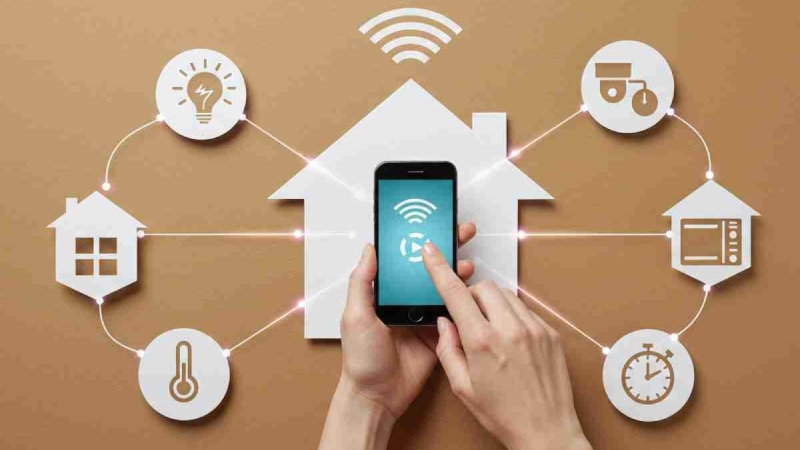
Smart homes are no longer futuristic concepts. Voice-controlled lighting, automated climate systems, and intelligent security have become standard features in modern homes. Yet many smart home owners overlook the most impactful upgrade available: integrated solar energy systems that communicate with and optimize every connected device.
The gap between “having solar panels” and “having a smart solar system” is substantial. Traditional solar installations generate electricity. Smart solar systems manage, optimize, and maximize energy across your entire home ecosystem.
The Connected Energy Foundation
Smart home solar integration begins with intelligent monitoring systems that connect directly to your home automation network, providing real-time data that informs decisions across every energy-consuming device. Working with experienced solar installation companies ensures your system is configured for proper home automation integration from the start.
Your smart thermostat adjusts cooling schedules to run during peak sun hours rather than pulling from the grid during expensive evening rates. Your EV charger delays until midday when panels produce surplus electricity. Your smart water heater heats during solar peak production, storing thermal energy for evening use.
The system learns your patterns and adapts. Morning routines shift slightly later on sunny days. Evening dishwasher cycles delay until battery storage reaches optimal levels. The intelligence isn’t about restrictive scheduling but invisible optimization that reduces grid dependence without affecting lifestyle.
Battery Storage as the Integration Hub
Battery systems transform from simple backup power into the central coordination point for smart home energy management. Modern battery systems actively manage when and how power flows through your home.
Smart batteries communicate with weather forecasts, utility rate schedules, and home automation systems to make continuous optimization decisions. They charge from solar when production exceeds consumption, discharge to power evening activities, and maintain reserves for overnight needs. During severe weather forecasts, they prioritize reaching full charge.
Integration with home automation means your battery system knows when you’re home and what devices are running. It can prioritize critical systems during outages while temporarily limiting non-essential loads.
Energy Data as Home Intelligence
The most valuable output from smart solar integration isn’t electricity but data. Detailed energy information flowing through your home automation system enables insights impossible with traditional utility meters.
You discover which appliances consume disproportionate power and when they run. You identify phantom loads from devices left in standby mode. You understand exactly how lifestyle changes affect energy consumption. This visibility drives behavior modification far more effectively than vague encouragement to “use less energy.”
Smart home platforms display this data through intuitive dashboards accessible from phones or voice assistants. Ask your home how much solar energy you’ve generated today. Set alerts for unusual consumption patterns that might indicate failing appliances.
Automated Load Management
Advanced smart solar systems implement automated load management that dynamically adjusts power distribution. When solar production drops due to passing clouds, the system temporarily reduces power to flexible loads like pool pumps while maintaining critical systems.
This intelligent load shedding prevents sudden grid draws that trigger demand charges. The adjustments happen in milliseconds, completely transparent to occupants.
Voice Control and Routine Integration
Voice assistants become energy management interfaces in smart solar homes. Command your home to switch to maximum self-consumption mode before a storm. Ask for energy reports during your morning routine. Set scenes that coordinate lighting, climate, and appliance operation with current solar production.
These voice integrations make energy management accessible to everyone in the household, not just whoever understands the technical systems.
Implementation Strategy
Creating a truly integrated smart solar system requires planning beyond basic solar installation. Choose equipment with proper communication capabilities and API access for deep smart home integration.
Start with the solar and battery foundation, ensuring monitoring systems connect to your home automation platform. Add smart controls to major energy consumers: HVAC systems, water heaters, EV chargers. Implement automation rules that coordinate these loads with solar production patterns. The transformation builds progressively. Each connected device and automation routine compounds the benefits.
The Integrated Future
Smart solar integration represents the practical realization of the self-sufficient home concept. Not off-grid isolation but intelligent grid interaction where your home draws power when it’s cheap and clean, generates when conditions are optimal, and manages consumption with zero conscious effort.
This isn’t experimental technology. The components exist today, the integrations work reliably, and thousands of homes already operate this way. The full value comes from treating solar as the foundation of a comprehensive smart home energy system rather than an isolated utility replacement. Modern homes deserve modern energy systems. Smart solar integration delivers that reality.