
1. Freezing Temperatures
That expansion exerts enormous pressure on the pipe wall — enough to split copper, PVC, or galvanised steel. Burst Pipes in unheated spaces like crawl spaces, attics, garages, or exterior walls are most vulnerable.
Prevention Tip: Insulate exposed pipes before winter arrives. Keep indoor temperatures above 13 °C even when you’re away, and allow taps to drip slowly on the coldest nights to relieve pressure buildup inside the lines.
2. Excessive Water Pressure
Most home plumbing systems are rated for 40–80 PSI. When pressure consistently exceeds this range — often due to a faulty pressure-reducing valve (PRV) or a surge from the municipal main — Burst Pipes experience repeated stress cycles that eventually crack joints and weaken walls.
Prevention Tip: Have a licensed plumber test your water pressure annually. If it regularly tops 80 PSI, install or replace your PRV. It’s a modest investment that protects every pipe, appliance, and fixture in your home.
3. Corrosion and Aging Pipes
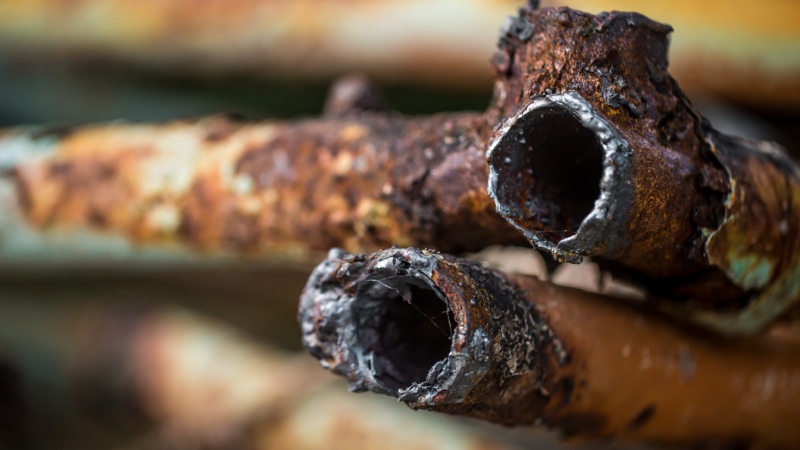
Galvanised steel pipes corrode from the inside out over decades. Copper Burst Pipes— though more durable — are susceptible to pinhole leaks when water chemistry is aggressive (low pH or high mineral content). By the time visible rust or discolouration appears in your water, significant internal deterioration has already occurred.
Prevention Tip: Homes built before 1970 are likely to have ageing galvanised lines. Schedule a professional inspection to assess pipe condition. Replacing corroded sections — or opting for whole-home repiping — can prevent a sudden failure before it happens.
4. Clogs and Blockages
Severe clogs don’t just slow drainage — they create back-pressure that stresses the entire pipe network. Grease accumulation, hair buildup, and root intrusion into sewer lines are among the most common culprits. Over time, that sustained pressure can split a weakened section of pipe.
Prevention Tip: Install hair catchers in shower drains, dispose of cooking grease in the bin rather than the sink, and arrange professional drain cleaning every 1–2 years. If tree roots are near your sewer line, camera inspection every few years is worthwhile.
5. Physical Damage and Ground Movement
Accidental strikes during renovation work, soil shifting during dry spells, seismic activity, or heavy traffic vibration above underground lines can all crack or disconnect Burst Pipes. Damage of this kind is sudden and offers no warning signs until water is already escaping.
Prevention Tip: Always contact your utility authority before any digging project to locate buried lines. If your property sits on expansive clay soils or in a seismically active area, periodic pressure testing of your plumbing system offers early detection of developing leaks.
Trust Precision Plumbing to protect your home
Whether you’re dealing with a sudden burst or want a thorough inspection before a problem develops, the team at Precision Plumbing brings the expertise, tools, and honest advice you need. From pressure testing and pipe insulation to full repiping services, we’re here to keep your home’s water system safe, reliable, and worry-free.