
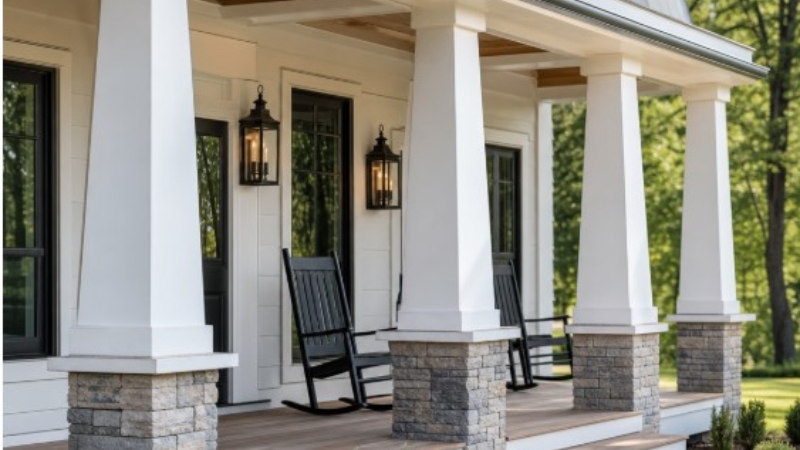
The front porch is one of the most expressive architectural features a home can have. It sets the tone before a visitor even reaches the front door, communicating the character, craftsmanship, and care that define a property. Yet for all the attention homeowners give to paint colors, landscaping, and lighting, the structural supports holding up that porch roof often go unconsidered. This is a missed opportunity. The columns, posts, and pillars that frame your porch entrance are not merely functional — they are design statements. Choosing the right support style can transform a plain facade into something genuinely striking, while the wrong choice can make even a well-maintained home feel incomplete.
Why Porch Supports Matter More Than You Think
Structural supports carry the load of the porch roof, but their visual weight is equally significant. A tapered craftsman column signals a different era and aesthetic than a fluted classical pillar or a raw timber post. These choices ripple outward, influencing how the entire facade reads from the street. Homeowners who invest in thoughtful exterior upgrades consistently find that Porch Support Styles are among the highest-impact elements they can address. They are visible from a distance, they frame the entry experience, and they interact directly with rooflines, railings, and landscaping in ways that either unify or fragment the overall composition.
Beyond aesthetics, the material and construction method behind each support type affects longevity, maintenance requirements, and even energy performance in enclosed or semi-enclosed porch spaces. A poorly chosen material may look attractive initially but require constant upkeep or deteriorate prematurely under weather exposure. Understanding the full picture — structural, aesthetic, and material — is essential before making a selection.
A Closer Look at the Most Common Support Types
Timber and Wood Posts
Timber posts remain one of the most popular choices for residential porches, and for good reason. They offer warmth, versatility, and a natural connection to the surrounding landscape that synthetic materials struggle to replicate. Rough-hewn timber posts suit rustic, farmhouse, and craftsman-style homes particularly well, while smooth-finished wood columns can be shaped and painted to complement more formal architectural styles. The key consideration with timber is moisture management. Properly sealed and maintained wood can last for decades, but neglected posts are vulnerable to rot, insect damage, and structural compromise. Pressure-treated lumber and naturally durable species like cedar and redwood offer improved resistance without sacrificing the organic appeal of real wood.
Brick and Masonry Piers
Brick piers project permanence and solidity. They are a natural fit for traditional colonial, Georgian, and craftsman homes, and they pair exceptionally well with stone foundations and masonry chimneys. Unlike wood, brick requires virtually no ongoing maintenance beyond occasional repointing, and it is impervious to rot and insect damage. The trade-off is cost and flexibility — masonry piers are expensive to install and difficult to modify once in place. They also add considerable visual weight, which can feel oppressive on smaller or more delicate porch designs. When used appropriately, however, brick piers create a sense of architectural authority that few other materials can match.
Fiberglass and Composite Columns
Modern composite and fiberglass columns have closed the gap significantly on traditional materials in terms of appearance, while offering superior resistance to moisture, insects, and UV degradation. They are available in a wide range of classical profiles — Doric, Ionic, Corinthian — and can be painted to match any exterior color scheme. For homeowners who want the look of painted wood columns without the maintenance burden, composite options are a compelling choice. They are also lighter than masonry and easier to install, making them a practical solution for renovation projects where structural modifications need to be minimized.
Matching Support Style to Architectural Character
The most important principle in selecting Porch Support Styles is coherence. A support style that clashes with the home’s architectural language — however beautiful in isolation — will undermine the overall composition. Craftsman bungalows call for tapered square posts on solid bases. Victorian homes benefit from turned spindle columns with decorative brackets. Ranch-style homes often look best with simple, clean-lined posts that do not compete with the horizontal emphasis of the roofline. Colonial revivals demand classical columns with proper proportions and detailing. Taking time to study the existing architectural vocabulary of your home before selecting supports will always yield better results than choosing based on trend or convenience alone.
If you are planning a broader exterior renovation, it is worth considering how porch supports interact with other facade elements. Improving your home’s curb appeal through coordinated exterior upgrades — including siding, trim, lighting, and landscaping — amplifies the impact of any individual change, including the selection of new Porch Support Styles. A holistic approach consistently outperforms piecemeal improvements.
Energy and Performance Considerations for Enclosed Porches
For homeowners converting open porches into three-season or fully enclosed spaces, the structural and material choices become even more consequential. Timber frame construction, in particular, raises questions about thermal performance that go beyond simple aesthetics. Understanding U-values and energy performance in timber frame buildings is essential for anyone planning an enclosed porch addition, as the thermal properties of the framing system will directly affect heating and cooling costs over the life of the structure. Selecting materials and construction methods with energy performance in mind from the outset is far more cost-effective than retrofitting insulation later.
Tarriver Timber: A Resource for Informed Decisions
Making the right choice for your porch requires more than a passing familiarity with available options. It demands a clear understanding of how different support systems are constructed, what materials perform best in your climate, and how each style interacts with your home’s existing architecture. Tarriver Timber has developed a comprehensive resource to help homeowners navigate exactly this decision. Their editorial content covers the full spectrum of structural and aesthetic considerations, drawing on deep expertise in timber and building materials to provide guidance that is both practical and visually informed. Whether you are building a new porch from scratch or refreshing an existing one, their knowledge base is a valuable starting point for any project.
Making the Right Choice for Your Home
Understanding the types of porch supports available — from traditional timber posts and masonry piers to modern composite columns — is the essential first step toward making a decision that serves both the structural and aesthetic needs of your home. Each option carries its own set of trade-offs in terms of cost, maintenance, durability, and visual character. The best choice is rarely the most popular one or the least expensive one; it is the one that fits your home’s architecture, your climate, your budget, and your long-term maintenance expectations most precisely.
Conclusion
Porch Support Styles are among the most visible and architecturally significant elements of any home’s exterior. They deserve the same careful consideration given to roofing materials, siding choices, and window styles. By taking the time to understand the full range of available options and how each one performs in real-world conditions, homeowners can make selections that enhance curb appeal, improve structural integrity, and add lasting value to their properties. The porch is, after all, the first impression your home makes — and the supports that frame it should be worthy of that role.