
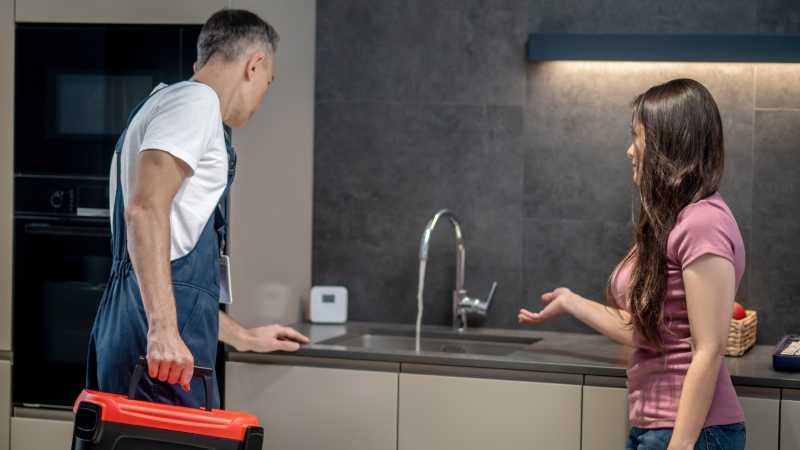
Many homes lose significant amounts of water each day due to unnoticed leaks, outdated fixtures, and inefficient usage habits. Improving water efficiency is an important step toward lowering monthly costs and preserving essential resources for the future. Simple adjustments within a household plumbing system can significantly reduce waste without sacrificing comfort. Identifying problem areas early allows homeowners to address issues before they become costly repairs. With consistent attention and thoughtful maintenance, it becomes possible to build a more efficient and sustainable living environment that supports both personal savings and environmental responsibility over time in households across communities today.
Transforming Your Home Through Better Water Management
-
Leak Detection and System Monitoring
One of the most effective ways to improve water efficiency in any home is to focus on early leak detection and continuous monitoring of water usage. Even small leaks in pipes, faucets, or hidden sections of plumbing can lead to substantial waste over time. Homeowners often underestimate how much water is lost through slow drips or underground pipe damage. By regularly inspecting visible fixtures and monitoring changes in water bills, it becomes easier to identify potential problems before they escalate. Modern monitoring tools can also help track usage patterns and highlight unusual spikes that may indicate hidden issues. Addressing these problems promptly not only reduces waste but also helps maintain the overall health of the plumbing system, ensuring that water flows efficiently throughout the home without unnecessary loss or damage.
Routine awareness and preventive care significantly reduce long-term water consumption and improve overall household efficiency. Simple habits such as checking meter readings and listening for unusual sounds in plumbing lines can further help detect problems early and prevent unnecessary waste. This proactive approach ensures more reliable water management and supports long-term sustainability in residential plumbing systems across everyday household living spaces.
-
System Upgrades and Professional Guidance
Upgrading household plumbing components can dramatically improve water efficiency while also extending the lifespan of the entire system. Older pipes and fixtures often contribute to hidden inefficiencies that go unnoticed until significant waste or damage occurs. Working with a plumbing contractor can help identify outdated systems and recommend targeted improvements that align with modern efficiency standards. Professional assessment often reveals issues that are not visible during routine household inspections, such as pressure irregularities or aging joint connections. Replacing outdated components with modern water-saving alternatives can reduce consumption significantly without affecting daily comfort or usage patterns.
Weighing options carefully before making changes ensures that homeowners invest in solutions that provide long-term value and reliability. Attention to system design and water-flow efficiency also contributes to better performance throughout a home. Small adjustments during installation or renovation phases can prevent future complications and reduce unnecessary water loss over time. Consistent evaluation of plumbing systems helps maintain efficiency and reduce the risk of unexpected repairs that can disrupt household routines and unnecessarily increase utility expenses over time. Through proactive care and informed decision-making in home maintenance practices, households can support long-term efficiency and reduce water waste everywhere today.
-
Efficient Fixtures and Daily Habits
Modern water-saving fixtures play an important role in reducing overall household consumption without compromising daily comfort. Items such as low-flow showerheads, efficient toilets, and aerated faucets are designed to minimize waste while maintaining adequate pressure. Replacing older fixtures with newer models can lead to noticeable improvements in water usage over time. Even small changes in household habits, such as turning off the tap while brushing teeth or promptly fixing dripping faucets, contribute to significant savings. These improvements often work effectively when combined with regular maintenance and periodic inspection of all plumbing fixtures throughout the home. Water-efficient upgrades also support environmental goals by reducing unnecessary strain on local water supply systems and treatment infrastructure.
Homeowners who adopt these improvements often notice gradual but meaningful reductions in monthly utility bills. Awareness of how water is used within different areas of a home helps guide smarter decisions about upgrades and replacements. Over time, consistent improvements to fixtures and habits create a more efficient water system that benefits both household budgeting and resource conservation, while also encouraging responsible consumption habits that contribute to long-term savings and environmental preservation across modern household settings.
-
Water Pressure and Smart Monitoring
Managing water pressure within a home is another important factor in improving efficiency and protecting plumbing systems from unnecessary stress. Excessively high pressure can lead to leaks, pipe damage, and increased water consumption over time. Installing pressure regulators helps maintain a balanced flow that supports both performance and conservation. Modern systems often include smart monitoring tools that provide real-time data on water usage throughout the home. These tools can alert homeowners to unusual patterns that may indicate leaks or inefficiencies developing within the system. Working with a qualified professional ensures that pressure settings and system configurations are optimized for long-term reliability. Routine maintenance checks also help prevent sudden failures and maintain consistent water flow throughout the household.
Over time, these improvements contribute to reduced water waste and better system performance in everyday use. Consistent evaluation and timely adjustments help homeowners avoid costly repairs while ensuring efficient water distribution throughout the home. Thoughtful planning combined with modern monitoring solutions allows households to maintain stable water systems that reduce waste and support long-term sustainability goals, while also improving daily reliability and overall performance in residential environments through practical upgrades and careful system management practices today.
Improving water efficiency at home requires attention to detail, consistent care, and a willingness to make thoughtful changes over time. Every part of a plumbing system plays a role in how effectively water is used and conserved. By focusing on maintenance, upgrades, and mindful usage habits, homeowners can reduce unnecessary waste while enhancing overall comfort. Small improvements often lead to meaningful long-term benefits, financially and environmentally. With effort and awareness, households can achieve balanced water consumption patterns that support sustainable living and reduce strain on local resources. These practices contribute to lasting efficiency and responsible resource management for future generations.