
Bathroom remodeling in cold-weather regions requires much more than selecting attractive tiles, modern fixtures, or stylish color schemes. In areas that experience long winters, freezing temperatures, and constant indoor moisture from hot showers, a bathroom must be designed for comfort, durability, and proper environmental control.
Without proper planning, issues like cold flooring, condensation buildup, drafty walls, and trapped humidity can make the space uncomfortable and even damage finishes over time. A well-designed remodel, however, can significantly improve warmth, reduce moisture-related problems, and create a bathroom that remains functional and inviting throughout the year.
With the right construction approach, materials, and layout decisions, even the coldest winter mornings can feel more manageable and comfortable inside the bathroom.
Cold Homes Need Smart Design Planning
-
Creating Comfort Through Better Layout Decisions
A bathroom in a cold-weather home should be designed with careful attention to how heat circulates within the space. Contractors typically evaluate the bathroom’s position in the house, which exterior walls are exposed to outside temperatures, where plumbing lines are installed, and how effectively heat reaches different areas of the room. This helps minimize cold spots, drafts near vanities or tubs, and floors that feel excessively chilly.
Anchorage remodeling bathroom contractors often assist homeowners in planning improvements such as better insulation, radiant or heated flooring options, enhanced wall sealing, and more strategic fixture placement before construction begins. These considerations are especially important because bathrooms contain many hard surfaces that naturally feel colder than carpeted areas.
Poor layout planning can place essential fixtures like the shower, toilet, or sink in areas affected by drafts, reducing comfort during daily use. Thoughtful design allows key elements to be positioned in warmer, more comfortable zones. Additionally, a remodel provides an opportunity to upgrade insulation inside wall cavities, seal air leaks, and replace older materials that allow cold air to impact the interior environment.
-
Moisture Control Is Essential in Cold Environments
Cold-weather bathrooms face a unique challenge: the combination of warm steam and cold surfaces. Hot showers generate high humidity, and when that moisture hits cold walls, ceilings, or windows, condensation forms quickly. If not properly managed, this moisture can lead to peeling paint, mold growth, damaged trim, and hidden structural issues behind walls. For this reason, contractors place strong emphasis on ventilation and moisture control during remodeling projects.
This may include installing high-efficiency exhaust fans, improving airflow paths, and selecting building materials that resist moisture absorption. Proper ventilation helps remove humid air before it settles and condenses on cold surfaces. Additional improvements may involve moisture-resistant drywall, waterproof sealants, mold-resistant grout, and durable paint finishes designed for high-humidity environments. Together, these upgrades help ensure the bathroom remains clean, fresh, and structurally protected during long winters.
-
Flooring Choices Improve Comfort and Safety
Bathroom flooring plays a major role in overall comfort, especially in cold climates where surfaces can feel extremely cold underfoot. During remodeling, contractors may recommend solutions such as radiant floor heating or insulated underlayments to reduce cold transfer from the subfloor. These upgrades make a noticeable difference during winter mornings when floors feel their coldest.
Safety is another important consideration. Wet bathroom floors combined with cold temperatures can increase the risk of slipping. Choosing the right texture, sealing system, and drainage layout helps improve grip and reduce hazards. A properly built flooring system also includes waterproofing layers beneath the surface to prevent moisture from reaching structural components. When installed correctly, these systems improve both comfort and long-term durability.
-
Plumbing Protection in Freezing Conditions
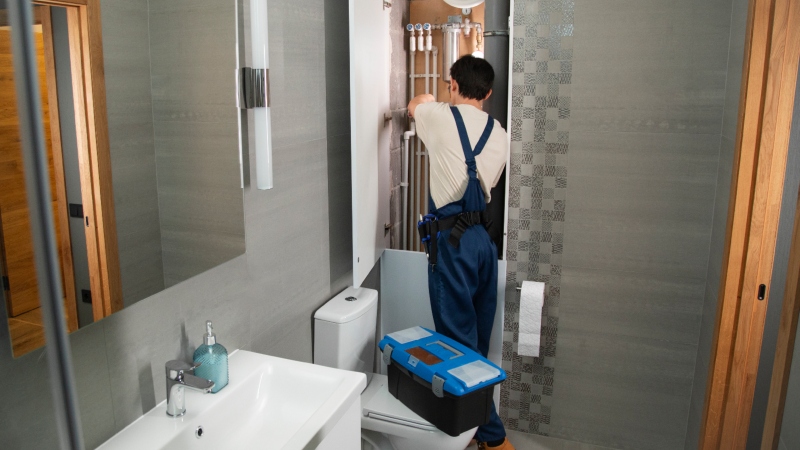
One of the biggest risks in cold climates is plumbing damage caused by freezing temperatures. Pipes located near exterior walls, crawl spaces, or poorly insulated areas are especially vulnerable. Bathroom remodeling provides an opportunity to correct these weaknesses. Contractors may adjust pipe routing, add insulation around plumbing lines, or relocate fixtures to safer positions within the structure.
Even small improvements in pipe placement can significantly reduce the risk of freezing, leaks, and water damage. This is especially important in homes that have not been updated in many years. These adjustments help ensure the plumbing system remains reliable and protected throughout the winter season.
-
Materials Must Handle Temperature Changes
Some materials expand or contract when exposed to changing conditions, which can lead to cracking, warping, or surface damage over time. For this reason, contractors carefully select products that are designed for stability in humid and cold environments. These may include sealed tile systems, moisture-resistant cabinetry, high-quality caulking, and properly treated wall finishes. Special attention is also given to areas where different materials meet, such as around bathtubs, shower enclosures, and window frames. These junction points are often the most vulnerable to moisture intrusion.
Improving insulation behind walls and using vapor barriers can further enhance protection. While these upgrades may not always be visible, they play a critical role in the long-term performance of the bathroom.
A Winter-Ready Bathroom Feels Better
Bathroom remodeling in Anchorage and similar cold-weather regions requires careful planning that goes beyond aesthetics. Contractors help homeowners design spaces that improve warmth, reduce moisture buildup, protect plumbing systems, and enhance flooring comfort.
Every detail, from layout and insulation to ventilation and material selection—plays a role in how well the bathroom performs during harsh winter conditions.
A remodel that focuses only on appearance may overlook critical performance factors. However, when functionality and design are balanced properly, the result is a bathroom that feels warmer, safer, and easier to maintain throughout the year.
Ultimately, a winter-ready bathroom not only improves daily comfort but also protects the home from long-term moisture and freezing-related damage, making it a practical and valuable investment.