
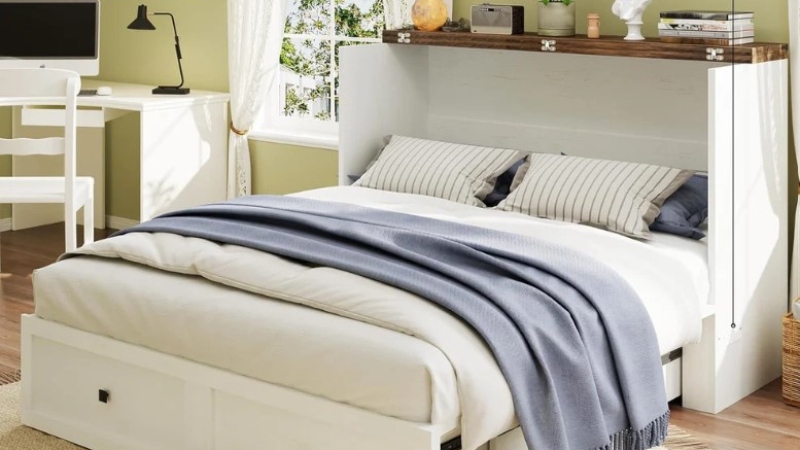
A beautiful bedroom is not only about soft bedding, wall colors, or decorative lighting. The real Structural Comfort often starts with the structure underneath everything. In modern homes, people want rooms that feel open, calm, and stylish, but they also need furniture that can handle daily use without becoming noisy, unstable, or visually outdated. This is where durable bed support becomes an important part of thoughtful planning.
A strong layout combines comfort, proportion, storage, and long-term reliability. Whether someone is refreshing a small apartment bedroom or planning a larger master bedroom design, heavy-duty furniture can help create a space that feels grounded instead of crowded. The key is choosing pieces that support the room physically and visually.
Why Structural Furniture Matters in Modern Bedrooms
Modern interiors often favor clean lines, open walking space, and furniture that looks simple at first glance. But simple design does not mean weak design. In fact, the best rooms usually depend on pieces that are built with strength, balance, and purpose.
A bed, for example, is the largest and most used item in most bedrooms. If the frame is poorly made, the whole room can feel less comfortable. Creaking sounds, sagging platforms, and unstable corners can affect sleep quality and make the room feel less finished. Durable bed support helps prevent these issues by creating a reliable foundation for both the mattress and the room layout.
Strong furniture also gives a bedroom a sense of permanence. Instead of feeling like a temporary setup, the space begins to feel planned, mature, and easier to maintain.
Architectural Bedroom Furniture and the Modern Layout
Good furniture should feel connected to the room, not randomly placed inside it. That is the idea behind architectural bedroom furniture. These pieces have enough visual weight and shape to support the overall layout, almost like built-in elements.
For example, a strong bed frame can act as the central anchor of the room. A wide dresser can balance an empty wall. A nightstand with clean geometry can make the bed area feel more intentional. When these pieces work together, the bedroom feels less like a collection of separate items and more like one complete design.
Architectural bedroom furniture is especially useful in modern layouts because it adds structure without needing excessive decoration. Instead of filling the room with many small accessories, you can rely on fewer, better-scaled pieces that quietly define the space.
Choosing Structural Mattress Bases for Everyday Comfort
A mattress may get most of the attention, but the base beneath it plays a major role in comfort and durability. Structural mattress bases are designed to keep the sleeping surface stable, evenly supported, and properly elevated.
This matters for several reasons:
- A stable base helps reduce movement and noise.
- Proper support can help prevent mattress sagging.
- A stronger foundation can make the bed feel more secure.
- Better elevation improves the visual proportion of the room.
- A well-built base can support heavier mattresses and daily use.
In real homes, this becomes noticeable quickly. A guest room used only occasionally may not need the same level of support as a primary bedroom. But in a room used every day, structural mattress bases can make the difference between a bed that feels temporary and one that feels dependable for years.
For homeowners comparing options, heavy-duty bed frames can be a practical starting point because they combine stronger construction with modern bedroom styling.
Durable Bed Support Without a Bulky Look
One common concern is that strong furniture might make a bedroom look heavy or old-fashioned. That does not have to be the case. Durable bed support can still fit into a clean, modern space when the proportions are right.
The trick is to pay attention to visual balance. A strong bed frame with a low profile can feel modern and grounded. A taller frame may work better in a larger bedroom with higher ceilings. A platform-style base can create a clean horizontal line, while a frame with visible legs may make the room feel lighter.
Color also matters. Darker finishes can create contrast and a more dramatic look. Lighter wood tones can soften the room and make heavy furniture feel less dominant. Neutral metal frames often work well in minimalist spaces because they provide structure without demanding too much attention.
A strong piece should support the design, not overpower it.
Master Bedroom Design: Balancing Strength and Softness
A successful master bedroom design needs more than a good bed. It should feel calm, functional, and easy to live in. Heavy-duty furniture works best when it is balanced with softer elements such as rugs, curtains, bedding, and warm lighting.
Think of the bed frame as the architectural center. Around it, softer details create comfort. A textured throw blanket, layered pillows, and a soft area rug can make a sturdy bed feel inviting rather than rigid. This contrast between structure and softness is what gives modern bedrooms depth.
Master bedroom design also benefits from clear zoning. The bed area should feel restful. The storage area should feel organized. A small reading corner or dressing space should feel separate, even if it is in the same room. Strong furniture helps create these zones naturally because each piece has a clear role.
Storage That Supports the Room, Not Just the Clothes
Storage is often treated as a secondary part of bedroom planning, but it has a major effect on how the room feels. A weak or undersized dresser can make the space look unfinished. A dresser that is too large can make the room feel blocked.
The goal is to choose storage that feels proportional to the bed and the room size. Wide dressers work well on longer walls, while taller chests are useful in compact rooms. The finish should complement the bed frame, but it does not need to match perfectly. A little contrast can make the room feel more collected and natural.
Well-designed storage can also reduce visual clutter. When everyday items have a proper place, the room instantly feels calmer. For a more classic storage option, timeless drawer dressers can help bring order to the room without making the design feel trendy or disposable.
How to Place Heavy-Duty Furniture in Smaller Bedrooms
Heavy-duty furniture is not only for large homes. Smaller bedrooms can also benefit from stronger pieces, but placement becomes more important. Start with the bed position. In most cases, placing the bed against the longest clear wall creates the best balance. Leave enough walking space on at least one or both sides if possible. If the room is narrow, choose a frame with a clean silhouette rather than a thick, oversized headboard.
For dressers, avoid blocking natural light or door movement. A tall dresser can save floor space. A low dresser can double as a display surface for a lamp, mirror, or simple decor.
In compact layouts, structural mattress bases with built-in clearance can also help. Even if the base does not include drawers, the open space beneath the bed can make cleaning easier and keep the room from feeling too compressed.
Matching Furniture Strength with Interior Style
Strong furniture can work with many design styles. The important part is choosing the right finish, shape, and scale.
For a modern minimalist room, choose clean lines, simple hardware, and limited contrast. For an industrial look, metal frames and darker tones can work well. For a warm transitional room, wood finishes and softer edges may feel more natural. In a farmhouse-inspired space, heavier wood pieces can add warmth and character.
Architectural bedroom furniture should not feel like a design compromise. It should look intentional. A sturdy bed, a balanced dresser, and practical nightstands can create a room that feels both stylish and prepared for real life.
Practical Tips Before Buying Heavy-Duty Bedroom Furniture
Before choosing bedroom furniture, it helps to look at the room as a whole. A piece may look good online or in a showroom, but it still needs to fit the actual layout.
Consider these points before buying:
- Measure the wall length, door swing, and walking paths.
- Check the height of the bed frame in relation to the mattress.
- Choose a dresser size that fits the wall without crowding it.
- Think about cleaning space under and around the furniture.
- Make sure the design matches the room’s long-term style.
- Avoid buying too many heavy pieces for one small room.
The strongest layout is not always the one with the biggest furniture. It is the one where every piece has a reason to be there.
Conclusion
Modern bedrooms need more than attractive finishes. They need structure, balance, and furniture that can support daily life without making the room feel crowded. Durable bed support gives the bed a reliable foundation, while architectural bedroom furniture helps the entire layout feel more intentional. Structural mattress bases add comfort and stability, and smart storage completes the room with order and function.
Whether planning a compact bedroom or a full master bedroom design, the best results come from balancing strength with softness. Heavy-duty furniture should feel calm, useful, and naturally integrated into the space. When chosen carefully, it does not just fill the room. It gives the room a stronger sense of comfort, purpose, and lasting style.
FAQ
1. Why is durable bed support important in a modern bedroom?
Durable bed support helps keep the mattress stable, reduces unwanted movement, and gives the bed a stronger foundation. It also makes the bedroom feel more complete and reliable for everyday use.
2. Are structural mattress bases suitable for all mattress types?
Most structural mattress bases are designed to support a wide range of mattresses, but it is always wise to check size, weight capacity, and compatibility before buying.
3. How can heavy-duty furniture fit into a small bedroom?
Choose clean silhouettes, avoid oversized headboards, and use vertical storage when possible. Heavy-duty furniture can work well in small spaces when the scale is carefully planned.
4. What makes architectural bedroom furniture different?
Architectural bedroom furniture feels connected to the room’s overall structure. It helps define the layout through proportion, shape, and visual balance rather than relying only on decoration.
5. What should I consider in master bedroom design?
A good master bedroom design should balance comfort, storage, movement, and visual calm. Start with the bed placement, then add storage and soft details that support the room’s daily function.