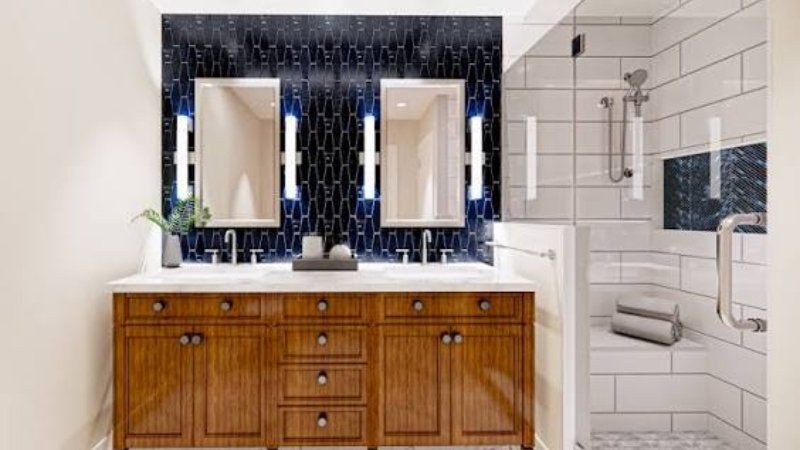
Kitchen and bathroom renovations consistently rank among the highest-ROI projects a homeowner can undertake. They’re also among the most expensive, which creates a familiar tension: the rooms that need updating the most are the ones that cost the most to update.
That tension has a resolution, but it requires shifting the frame slightly. Most renovation conversations start with what to replace. A more useful starting point is what to restore. In both kitchens and bathrooms, some of the most visually impactful surfaces in the room — countertops, tubs, tile, shower surrounds — can be professionally refinished rather than replaced, delivering comparable visual results at a fraction of the cost.
Countertop refinishing, in particular, is a service that flies under the radar for most homeowners despite being one of the smartest upgrades available. This article covers what it involves, when it makes sense, and how it fits into a broader renovation strategy alongside bathtub and bathroom surface refinishing.
Why Countertops Are Often the Weak Link in a Kitchen Renovation
Countertops take more daily punishment than almost any other surface in the home. Heat, moisture, cutting, impact, chemical cleaners, and years of general use all leave their mark. Even high-quality countertops installed during a previous renovation can look significantly worn after ten to fifteen years.
The most common issues homeowners deal with:
Surface scratches and dull finish. Laminate and solid surface countertops are particularly susceptible. What started as a smooth, attractive surface becomes scratched, hazy, and resistant to cleaning.
Staining. Many countertop materials are porous or have surface coatings that degrade over time, making them increasingly prone to staining from coffee, wine, cooking oils, and acidic foods. Some stains become effectively permanent.
Outdated color or pattern. Countertop trends shift noticeably over decades. Tile countertops with heavy grout lines, laminate in dated patterns, and solid surfaces in off-white or beige tones that were standard in the 1990s and 2000s can make an otherwise functional kitchen feel irretrievably old.
Chips and edge damage. The edges of countertops are particularly vulnerable to chipping and impact damage. These areas not only look worn but can expose the substrate beneath to moisture.
Standard advice says to replace countertops when they reach this state. But for countertops that are structurally sound — properly supported, well-attached, without significant warping or water damage to the substrate — refinishing is a legitimate and often superior alternative.
What Professional Countertop Refinishing Involves
Professional countertop refinishing is a multi-step surface restoration process that transforms the appearance of existing countertops by applying a new, durable coating over the prepared surface. It works on laminate, tile, cultured marble, solid surface, and certain other countertop materials.
The process typically follows this sequence:
Thorough cleaning and degreasing. The surface must be completely free of grease, residue, and contaminants before any preparation begins. This is more involved than it sounds in a kitchen environment.
Repair of chips and damage. Chips, cracks, and damaged edges are filled and shaped before any coating is applied. This step is what separates a professional result from a superficial one.
Surface preparation. The existing surface is abraded or chemically etched to create adhesion for the new coating. Without this step, even high-quality coatings will eventually fail.
Primer application. A bonding primer is applied to ensure the topcoat adheres properly to the substrate material.
Topcoat application. A professional-grade coating is applied in even layers, creating a smooth, durable, and visually consistent finish. The homeowner can typically choose from a range of colors and finish levels.
Curing. The finish requires curing time before the countertops are returned to regular use. Most contractors recommend 24 to 48 hours before light use, with full cure taking a few days longer.
The finished result is a countertop surface that is smooth, sealed, and visually refreshed — often indistinguishable from a new installation to anyone who wasn’t there before the work was done.
The Cost Argument: What Refinishing Actually Saves
New countertops are one of the most significant line items in a kitchen renovation budget. Material costs alone for stone, quartz, or solid surface can run several thousand dollars for an average kitchen, and that’s before fabrication and installation. For larger kitchens, kitchen islands, or bathrooms with vanity tops included, the total climbs quickly.
Professional refinishing costs a fraction of that. The tradeoff is that refinishing is not a permanent solution in the way that a new stone countertop might be — a professionally refinished surface typically lasts five to ten years with proper care, at which point it can be refinished again. But for homeowners who are not planning to be in the home for twenty years, or who want to make the kitchen functional and attractive now without a full renovation investment, the math is compelling.
The savings can also be redirected. A homeowner who refinishes countertops rather than replacing them may find that the budget freed up allows for a new backsplash, updated cabinet hardware, better lighting, or appliance upgrades — changes that collectively produce a more complete kitchen transformation than new countertops alone would have.
Extending the Approach to the Bathroom
The same logic that makes countertop refinishing attractive in the kitchen applies with equal force to the bathroom. Bathtubs, tile surrounds, shower enclosures, and vanity countertops are all surfaces that see significant daily wear and degrade over time — and all are candidates for professional refinishing rather than replacement.
For homeowners tackling both spaces, there are practical advantages to working with a contractor who handles both kitchen and bathroom surface refinishing. Scheduling is consolidated, the contractor already understands the property and the homeowner’s priorities, and color coordination across both spaces can be handled thoughtfully.
In the bathroom specifically, the combination of bathtub refinishing and tile refinishing — wall tile, floor tile, and shower surround addressed in a single visit — produces the kind of visual transformation that makes a bathroom look fully renovated. The surfaces that the eye actually lands on are all fresh, coherent, and clean. The effect is significantly greater than updating fixtures alone.
Understanding the Limits: When Replacement Is the Right Call
Countertop and surface refinishing is not a universal solution. There are situations where replacement is genuinely necessary, and a reputable contractor will tell you so honestly.
Replacement is typically the right call when:
The substrate is damaged. Water damage, rot, warping, or significant structural deterioration beneath the surface means refinishing would only mask a problem that will continue to worsen. The underlying issue has to be addressed first, and at that point replacement often makes more practical sense. The countertop material isn’t compatible with refinishing.
Finding the Right Contractor for the Job
As with all surface refinishing work, the quality of the result depends heavily on the experience of the contractor and the products they use. This is specialized work that requires proper surface preparation, the right bonding primers, and professional-grade topcoats designed for kitchen and bathroom environments.
For homeowners in Brevard County, Coastal Resurfacing near Melbourne Village, FL offers professional surface refinishing services for both kitchen and bathroom surfaces, serving residential homeowners throughout the Space Coast area.
Caring for Refinished Surfaces
Getting the most out of refinished countertops and bathroom surfaces comes down to a few consistent habits.
Avoid abrasive cleaners and pads. Scouring powders, steel wool, and abrasive sponges will scratch and dull any refinished surface. Mild liquid soap and a soft cloth are all that’s needed for routine cleaning.
Protect from heat on countertops. Even durable topcoats can be damaged by direct heat. Use trivets and hot pads for pots and pans rather than placing them directly on refinished countertop surfaces.
Use cutting boards. Knives will score a refinished surface just as they would any countertop coating. This is good kitchen practice regardless of the surface material.
Address chips promptly. Small chips or scratches that develop over time are best addressed early with a touch-up from your contractor. Left unattended, they can allow moisture to penetrate and compromise a larger area of the finish.
With these habits in place, professionally refinished countertops and bathroom surfaces will maintain their appearance for years — often longer than homeowners expect.
Renovation Without the Overhaul
The most effective home renovations aren’t necessarily the most extensive ones. They’re the ones that identify where visual impact is highest, allocate budget accordingly, and use the most efficient means available to achieve the desired result.
Surface refinishing — countertops in the kitchen, tubs and tile in the bathroom — is one of the most efficient means available.
If your kitchen or bathroom is overdue for a refresh, the conversation worth having isn’t “what do I need to replace?” It’s “what can be restored?” The answer, in most cases, is more than you’d expect — and the results are better than many homeowners dare to hope.